



Silicone Renders
Silicone renders have gained popularity in the construction and DIY sectors due to their versatility, durability, and aesthetic appeal.
What is Silicone Render?
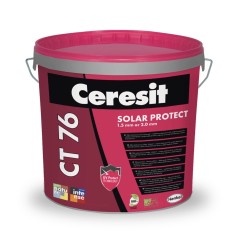
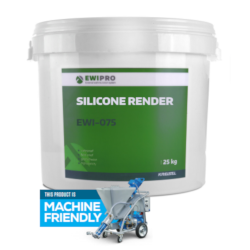
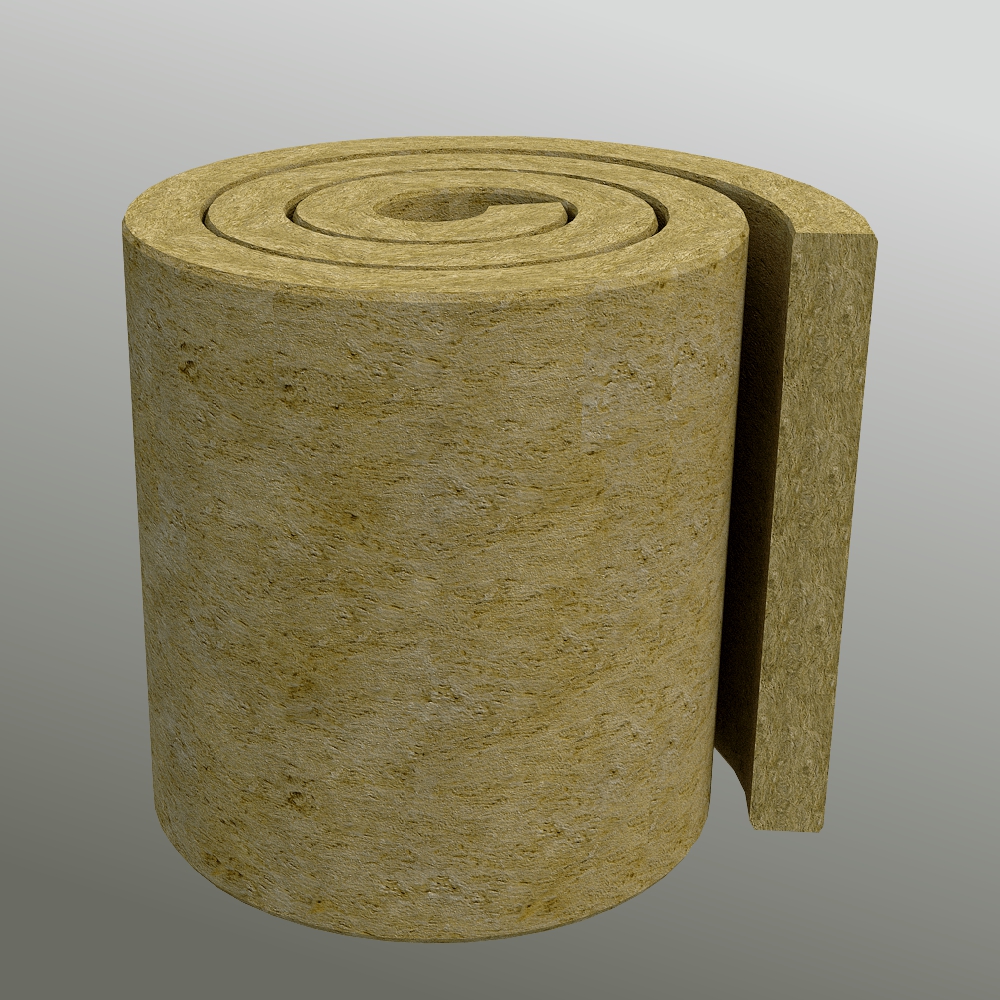
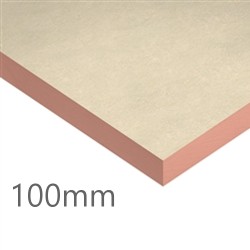
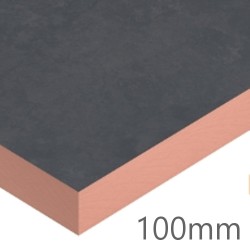
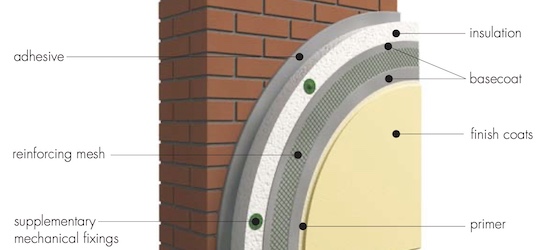
It is a type of external wall finish that incorporates silicone resins, providing a flexible and water-resistant layer. It is typically applied over a base coat, which may include insulation boards or traditional render. Silicone renders are available in various colours and textures, allowing for creative freedom in design.
Benefits of Silicone Render
- Water Resistance: One of its standout features of is its hydrophobic properties. It repels water, preventing moisture penetration and reducing the risk of mould and damp issues.
- Flexibility: Silicone render is highly flexible, which allows it to expand and contract with temperature changes. This flexibility helps prevent cracking, making it ideal for buildings in areas with fluctuating weather conditions.
- Breathability: Unlike some traditional renders, silicone render is breathable, allowing moisture trapped within the wall to escape. This characteristic is crucial for maintaining the integrity of the building structure.
- Low Maintenance: It is easy to clean and maintain. They are resistant to dirt and algae growth, meaning that they require less frequent cleaning compared to other render types.
- Aesthetic Appeal: Available in a wide range of colours and finishes, silicone render can enhance the visual appeal of any building. It can be textured or smooth, allowing for a variety of design options.
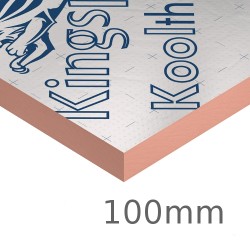
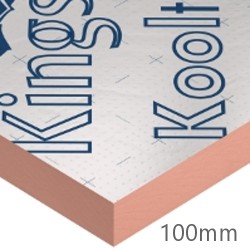
- Energy Efficiency: When used in conjunction with insulation, silicone render can contribute to improved energy efficiency, helping to reduce heating and cooling costs.

Application Techniques
Applying of the silicon render requires careful preparation and technique. Here’s a step-by-step guide for DIY enthusiasts and small construction teams:
- Ensure the substrate is clean, dry, and free from any loose materials. Repair any cracks or damage before proceeding.
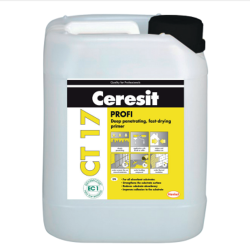
- Depending on the substrate, a primer may be necessary to enhance adhesion. Follow the manufacturer’s recommendations for the specific primer to use.
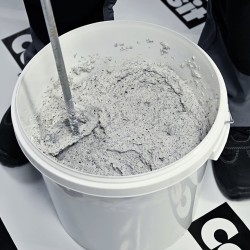
- Prepare the silicon render according to the manufacturer's instructions. Ensure the mixture is consistent and free from lumps.
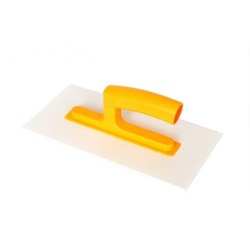
- Using a trowel, apply the render in a uniform layer. Start from the bottom and work your way up to prevent drips. For a textured finish, use a sponge or brush to create the desired effect.
- Once the render is applied, allow it to cure as per the manufacturer's guidelines. This curing process is crucial for achieving the render's full performance potential.
- Clean tools and equipment immediately after use to prevent the render from hardening on them.
Tips
- Avoid applying silicon render in extreme weather conditions, such as heavy rain or frost, as this can affect the curing process.
- Before applying the render to the entire surface, consider doing a test patch to ensure the desired finish and colour.
- Always refer to the specific product guidelines for mixing, application, and curing times to achieve the best results.
- Use appropriate personal protective equipment (PPE), including gloves and masks, to protect against dust and chemicals during application.
Conclusion
Silicone renders offer a modern, durable, and aesthetically pleasing solution for external wall finishes. With their numerous benefits, including water resistance, flexibility, and low maintenance, they are an excellent choice for DIY enthusiasts and small construction teams. Whether you are renovating an existing structure or embarking on a new project, it is a versatile option worth considering. You can achieve a professional-looking finish that enhances the beauty and longevity of your building.